
Skip to content
Evova

Home Charging

Tethered vs Untethered EV Charger: Which Is Best?

Tethered vs untethered EV chargers explained. The pros and cons of each, which is more convenient, which is tidier and future-proof, and how to choose.

By Evova · Updated
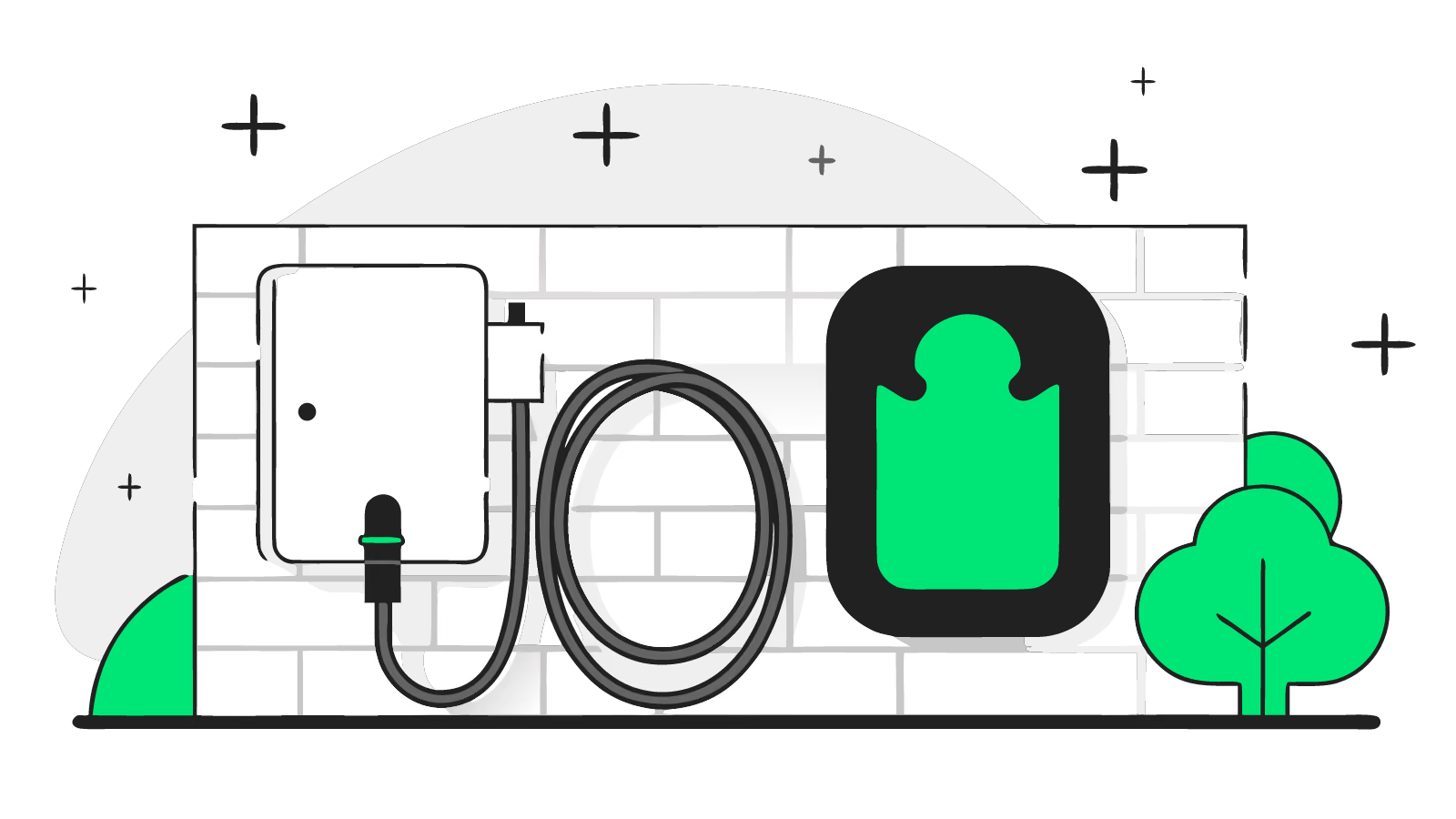
Illustration of a tethered wallbox with coiled cable next to a socket-only unit with a separate cable on a hook

Tethered vs untethered: what’s the difference?

A tethered charger has the charging cable permanently attached, so you simply unhook it and plug straight into your car. An untethered (or “socketed”) charger is just the wall unit with a socket; you connect your own separate cable each time and store it afterwards. Both charge at the same speed; the difference is all about convenience, tidiness and flexibility.

Tethered and untethered wallboxes compared Two front-on wallbox schematics side by side. The tethered unit has its charging cable permanently attached and coiled on the unit: plug-and-go convenience, but the cable is always on show, its length is fixed at usually 5 to 7.5 metres, and the connector type is built in. The untethered unit is a socket-only box with your own separate cable stored in the car or at home: a neater wall unit, you choose the cable length, and you can swap the cable if your next car has a different socket. Both charge at the same speed. Two designs, same charging speed Tethered most homeowners’ choiceCable permanently attached — unhook and plug in cable stays on the unit Plug and go — easiest day to day Cable always on show, length fixed (5–7.5m) Connector type built in Untethered Socket only — you connect your own cable socket your own cable — stored in the car or at home Neat wall unit — nothing hanging You choose the cable length Swap the cable if your next car differs Both types charge at the same speed — the difference is convenience, tidiness and flexibility.
A tethered wallbox keeps its cable permanently attached for plug-and-go charging; an untethered unit is a socket-only box you connect your own cable to, which is tidier and easier to future-proof.

Tethered: plug-and-go convenience

With the cable always attached, a tethered charger is the easiest to live with day to day. You pull up, unhook, plug in, done. There’s no cable to carry from the boot or fetch from the garage. The trade-offs: the cable is always on show (and out in the weather), its length is fixed (usually 5–7.5m), and the connector type is built in.

Untethered: tidy and future-proof

An untethered unit is neater on the wall with nothing hanging from it, and you choose whatever cable length suits your driveway. Because the connector lives on your cable rather than the charger, it’s also more future-proof, handy if you change to a car with a different socket. The downside is the small faff of plugging the cable in at both ends each time and storing it afterwards.

At a glance

Tethered Untethered
Convenience Highest, plug and go Extra step each charge
Tidiness Cable always visible Clean wall unit
Cable length Fixed You choose
Future-proofing Connector fixed Swap cable if needed
Best for Everyday ease, one car Tidiness, flexibility, changing cars

So which should you choose?

For most homeowners with off-street parking and a single EV, tethered wins on sheer convenience. If you value a clean look, want a specific cable length, or like to keep your options open for future cars, untethered is the smarter pick — then it’s just a question of which charger to hang on the wall.

Still unsure? Request a free quote — tell us about your driveway and your car and we’ll recommend the right setup as part of your home charger installation.

Frequently asked questions

What's the difference between a tethered and untethered EV charger?
A tethered charger has a charging cable permanently attached, so you just unhook it and plug into your car. An untethered (or socketed) charger is a unit with a socket only, so you connect your own separate cable each time. Both deliver the same charging speed.
Is a tethered or untethered charger better?
It depends on your priorities. Tethered is more convenient for everyday use, with no cable to fetch or store. Untethered is tidier, lets you choose your cable length, and is more future-proof if connector standards change or you switch to a car with a different socket. Most homeowners choose tethered.
Are untethered chargers more secure?
Slightly, in that there's no cable left outside to tamper with, and you store the cable in your car or home. However, modern tethered chargers lock the cable and connector, and cable theft from home chargers is rare, so for most people convenience outweighs this difference.
Can I change from untethered to tethered later?
Not easily. The cable is built into a tethered unit, so switching usually means replacing the charger. That's why it's worth deciding up front. If you're unsure, an untethered unit plus a quality cable keeps your options open.

Ready for a free, no-obligation quote?

Tell us what you need and we'll pass your enquiry to one local installer. Free, with no pressure to proceed.

Get a free quote
Evova quick quote bar